Physiotherapy clinic services
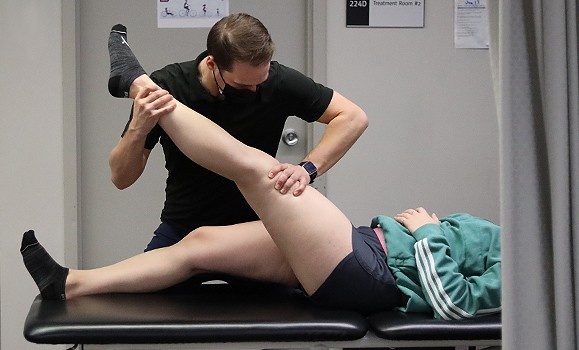
The Dalhousie Physiotherapy Clinic offers physiotherapy services to the community members of Halifax, inclusive of the Dalhousie students, faculty and staff.
Our team is comprised of six licensed physiotherapists, each bringing a patient-centred approach grounded in evidence-based practice. To find the right clinician for you, we invite you to explore their individual bios and learn more about their areas of interest, experience, and treatment style.
Acupuncture
As per Acupuncture Canada; acupuncture is a safe and effective alternative to medicine by the insertion of needles into specific anatomical points to release endorphins. Endorphins are the body’s natural pain relieving hormones, and their presence can help manage pain and improve energy, mood and overall body function. As with dry needling, any of our therapists who offer acupuncture are credentialed through Acupuncture Canada.
Dry Needling
Dry needing is a technique that can be useful to release trigger points, an irritable point usually within a taught band of muscle which can be related to pain. Dry needling uses acupuncture needles, in a process of shorter duration compared to acupuncture, which is inserted into the trigger point with the purpose of releasing it’s tension. Changing angles of the needle can help to release multiple trigger points in one treatment. Any of our physiotherapists who offer this service are credentialled by Acupuncture Canada.
Manual Therapy
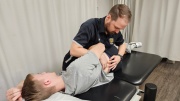
Our clinic has certified physiotherapists that, in addition to their fundamental hands on training, have completed post-graduate education in internationally recognized training that furthers their hands-on physiotherapy assessment and treatment. This designation is referred to as a CAMPT certified therapists, and provides an enhanced ability to utilize hands on techniques that can increase accuracy, results and introduce manual manipulations into treatment where appropriate.
Modalities / Pain Management
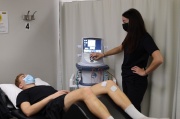
The modalities we offer in our clinic completment hands on assessment and treatments. Modalities serve to mitigate pain and assist in the rehabilitation plan. We offer a variety of modalities such as interferential current (IFC), transcutaneous electrical nerve stimulation (TENS), ultrasound and more. In your treatment plan, your physiotherapists will further explain these methods and why they may be beneficial to your specific treatment plan.
Shockwave
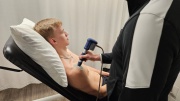
Shockwave is a modality that applies a high-energy wave to tissues that are causing pain and irritation as a way to promote regeneration an repair. The applicator transfers the energy from compressed air into the tissue via a variety of different applicator heads specifically designed for different areas of the body and/or conditions.
This service is offered at no extra charge!
Sport Related Concussion Management
A concussion is a form of brain injury that can benefit from physiotherapy treatment. These injuries cannot be seen on routine imaging, but can cause a significant disruption is day to day quality of life and productivity. Rhonda Reardon PT, has been instrumental in developing a concussion management protocol that our team continues to help develop and refine based on the current federally endorsed clinical pathway (Parachute Canada). Our concussion protocol is developed in line with the Parachute Canada Concussion Guidelines, a federally endorsed protocol for concussion management.
Therapeutic Exercise
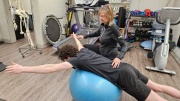
Therapeutic exercise is a treatment method physiotherapists use by which movements are prescribed to restore function and strength, minimize or correct impairments and maintain quality of life by minimizing the risk of reinjury. These exercise programs are developed for and tailored to each patients specific needs and progressed as the individual continues through their rehabilitation program.
Pelvic Floor Physiotherapy
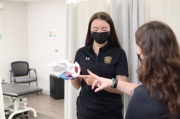
Our physiotherapist, Hailey West PT, completed her training for assessment and treatment of Female Urinary Incontinence through the Canadian Pelvic Health Academy.
Pelvic floor physiotherapy for urinary incontinence focuses on assessing and improving the function of the muscles that support the bladder and control urine flow. Treatment may include targeted exercises to strengthen or relax the pelvic floor, education on bladder habits, breathing and coordination strategies, and guidance on lifestyle factors that may contribute to symptoms.
Visit our pelvic floor physiotherapy information page for more on expectations, FAQ and booking.
Telehealth
The onset of the pandemic has created an opportunity to broaden how we can assess and deliver care. At the Dalhousie Physiotherapy Clinic we use a secure and confidential telehealth video technology in tandem with our communication and observational skills to form clinical impression and treatment plans in an online format. For more insight on what this process entails we have created some FAQ and instructional videos which are posted on our socials media accounts.